Learn the steps
Each person learns their pairings, and we note how it went.
Movement × Memory × Bitcoin
Every ballet position has a name, and dancers carry hundreds of them in their bodies. Ballet Mnemonics asks whether that kind of memory could help people learn, remember and recover a Bitcoin seed phrase.
Bojana shared Ballet Mnemonics with the public for the first time in the summit's design room, part of the design track run with the Bitcoin Design community. She showed how ballet steps could be paired with the words of a seed phrase, and started a conversation with the designers, developers and researchers in the room.
freedomtechsummit.com ↗01 — The method
A Bitcoin seed phrase is made of words from a fixed list of 2,048 (known as BIP39). The idea is to pair each word with a basic ballet move, so a phrase can be danced as well as written. We're writing the pairings down now, and there's still plenty to test: does every word have a move, can you always get back to the right word, and is it actually easy to use?
How it fits together
What we want to find out
Would two people read the same move as the same word? How well do we remember a sequence of steps after weeks or months? Could a camera recognise the moves? And what would wallet makers need to see before trying this in their apps?
Ballet Mnemonics is an idea being explored, not a proven or safe replacement for writing your seed phrase down.
02 — Resources & field notes
A growing collection of papers, books, history, tools and our own notes that shape the questions behind Ballet Mnemonics. Each one comes with a short note on why it matters to the project.
No resources match that search. Try another term or category.
These are starting points for curiosity, not proof that the idea works. We'll add notes to each one as the project grows.
03 — In the studio
We'd like to teach a group of people their own step-and-word pairings, then check in over the following months to see what they still remember. Results will be shared here once the study has run and everyone involved is happy for them to be public.
Memory study · What we'll share here
Each person learns their pairings, and we note how it went.
A few weeks later, we see which steps and words people remember.
We look again: what was remembered, forgotten or mixed up.
We write up what worked, what didn't and what to ask next.
We'll design the details of the study together with a research partner. Only practice phrases are ever used — never a real wallet's seed phrase or keys — and everyone's privacy comes first.
04 — What's next
Right now the focus is on writing the idea down clearly and sharing it openly. Next, we hope to work with universities, have outside experts test it, and build simple tools people can try — depending on who joins and the funding we find.
Why ballet, which steps, and how it all works today.
The full list of pairings, with examples and open questions.
Reading, study plans and results as they come in.
Ways software might one day recognise the moves.
05 — Who's behind it
Ballet Mnemonics began with a simple question from the studio: if my body can remember a whole ballet, what else could it hold? Now it's time to share that question with researchers and builders.
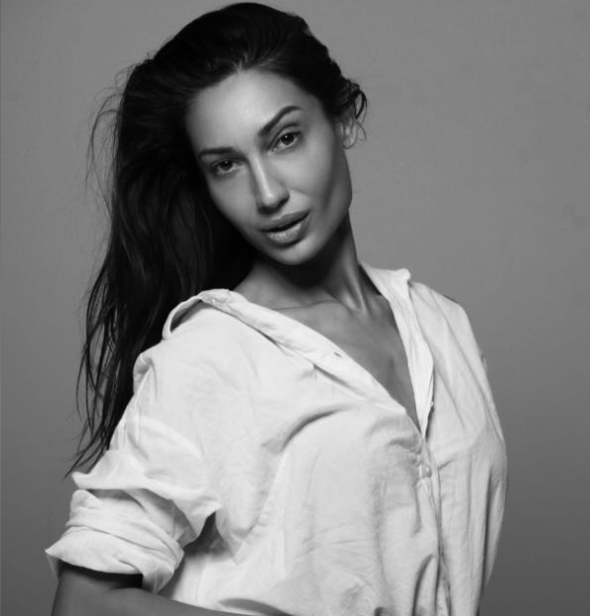
Movement artist · Ballet dancer · Founder of Ballet Mnemonics
Bojana brings two decades of ballet and contemporary dance to Ballet Mnemonics. This site is where she shares the idea as it grows, and invites people from other fields — memory, design, technology — to explore it with her.
06 — Open invitation
We'd love to hear from people who study memory or how we learn movement, people who build camera and motion tools, Bitcoin and wallet developers, and any organisation curious to explore this with us.
Get in touch ↗Replace this email address with the project's confirmed contact before launch.